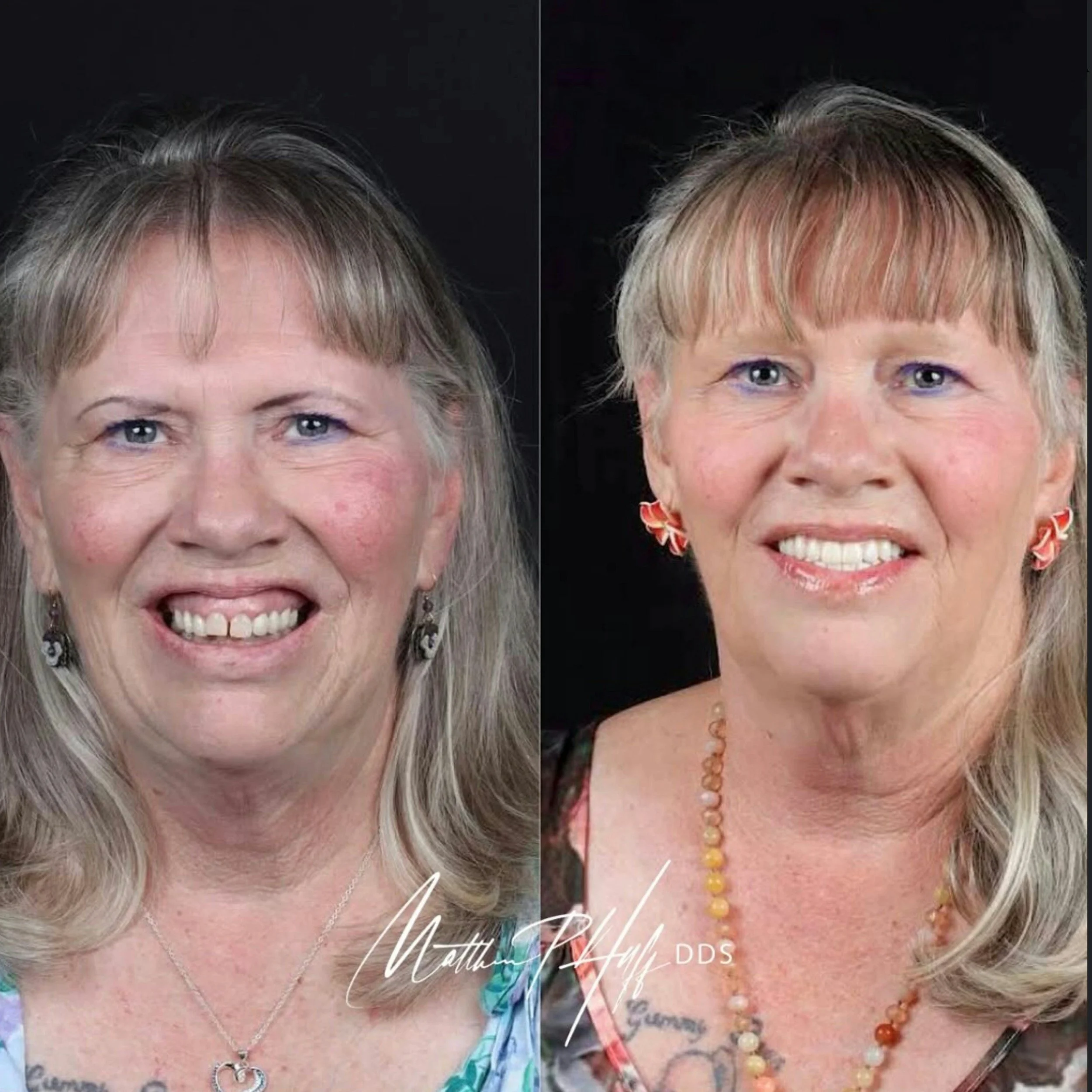
Why Some People Look Younger Than Others
Wrinkles are only one sign. Beneath them sit shifts in collagen, long-term sun contact, inherited traits, shifting facial volume, subtle bone reshaping, daily habits, all tangled together through years. This mix explains why twins might seem decades apart. While some change follows an inner clock, much of what we see ties back to outside forces - UV light leading the list - so appearance down the road depends less on birthdays and more on body meeting world.

The Hidden Bias in Dermatology and Why Darker Skin Deserves Better
Lighter skin shaped most of dermatology for years. Medical books, photos used in training, even how lasers are set - rarely included deeper tones. Missing this leads to more than surface issues. Misdiagnoses happen. Treatment gets pushed back. Scars form. Dark spots appear. Problems arise that might have been avoided. It is not about skin being difficult to treat. It is about unequal attention in research and practice.
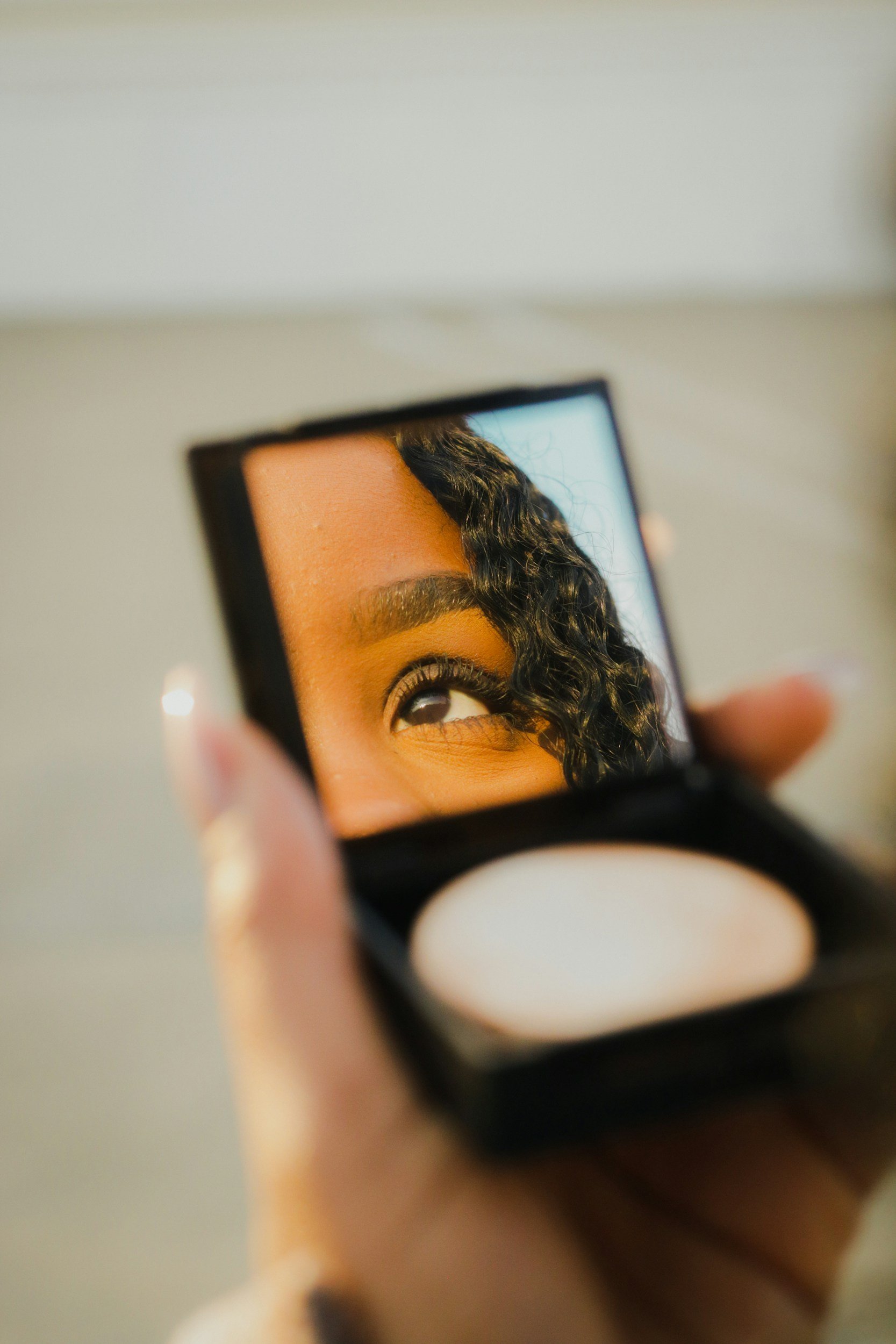
The Makeup Paradox: Why Some People Look Better With Less
Heavy makeup won’t always improve a person's appearance. Actually, piling it on might distort facial balance, sometimes making someone seem almost unidentifiable. It isn't about talent or technique; instead, it hinges on how contrast between eyes, lips, and skin interacts with natural proportions. Vision science shows our brains decode faces in unique patterns, reacting differently depending on structure and shading. One individual’s stunning transformation could be another’s visual clutter, all rooted in biological response.
You’re Not Unphotogenic; You’re Just Not Meant to Be Frozen
Most times, someone appears more like themselves when moving rather than frozen in a snapshot, not because of doubt, but due to how faces actually work. Movement shapes what we see; expressions flow through small shifts, blinks, smiles, reactions unfolding over moments. Stillness stops everything at once, cutting off nuance. In reality, perception builds from timing, angle, gesture, environment, elements absent on flat surfaces. What remains after the click misses too much to be fully trusted.
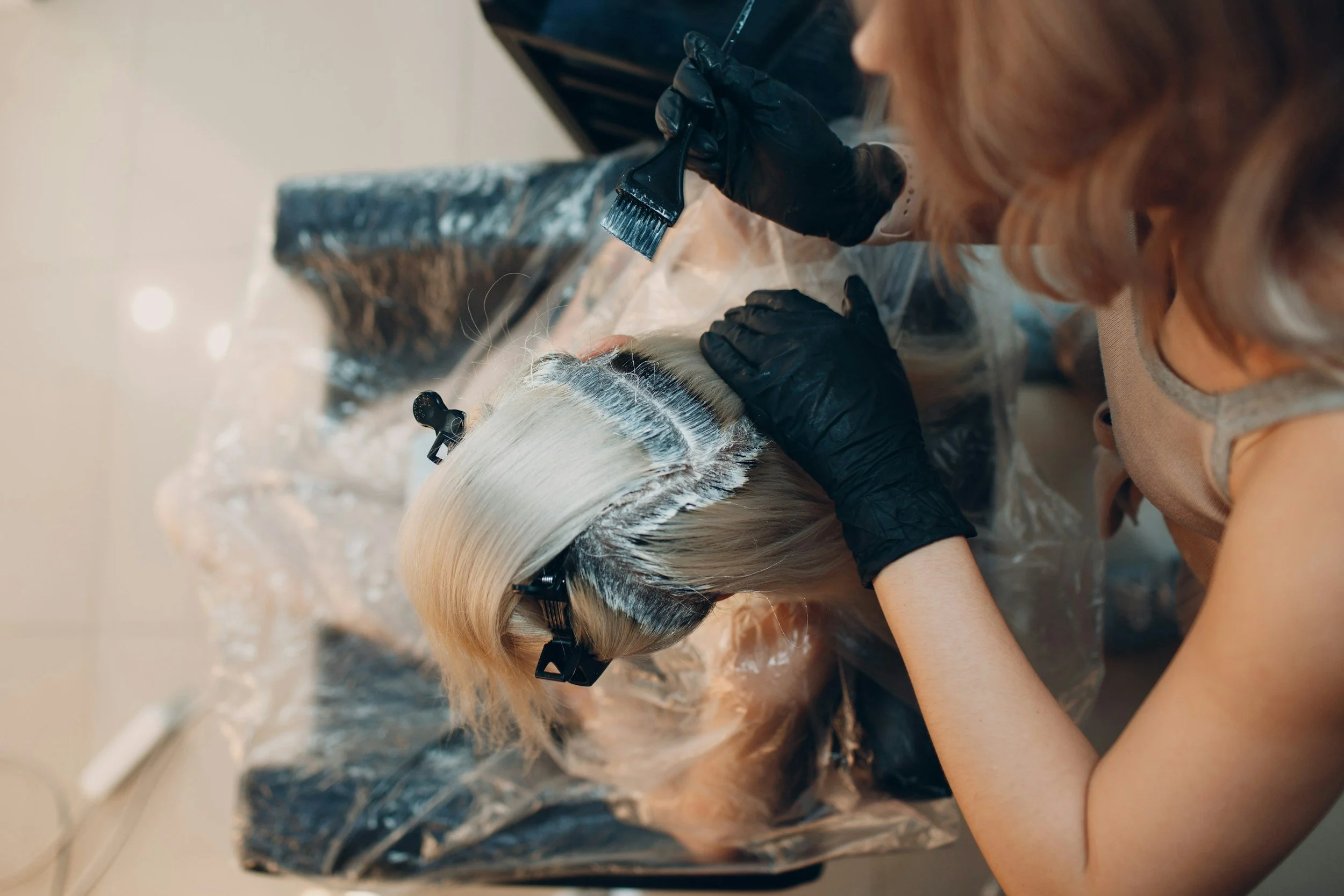
Hair Color Theory: Why One Shade Can Change Your Whole Face
Changing your hair color alters far more than just strands. Around the face, contrasts shift, suddenly shadows fall differently. Skin tones appear warmer, cooler, sometimes even altered in depth. Features gain balance, or lose it, based on subtle undertones. A well-matched hue brings out the glow in your eyes. Mismatched shades drain vitality, leaving complexions flat. Harmony matters; without it, facial elements feel misaligned.

Why Your Makeup Looks Different in Every Lighting
Surprisingly, artificial light alters the way skin tones appear on camera. In bright daylight, fine details become more obvious through sharper contrast. Sometimes a yellowish cast shows up under indoor bulbs even if it looked neutral before. What you see in the mirror often differs from what lenses capture due to differing interpretations of shine and surface smoothness.
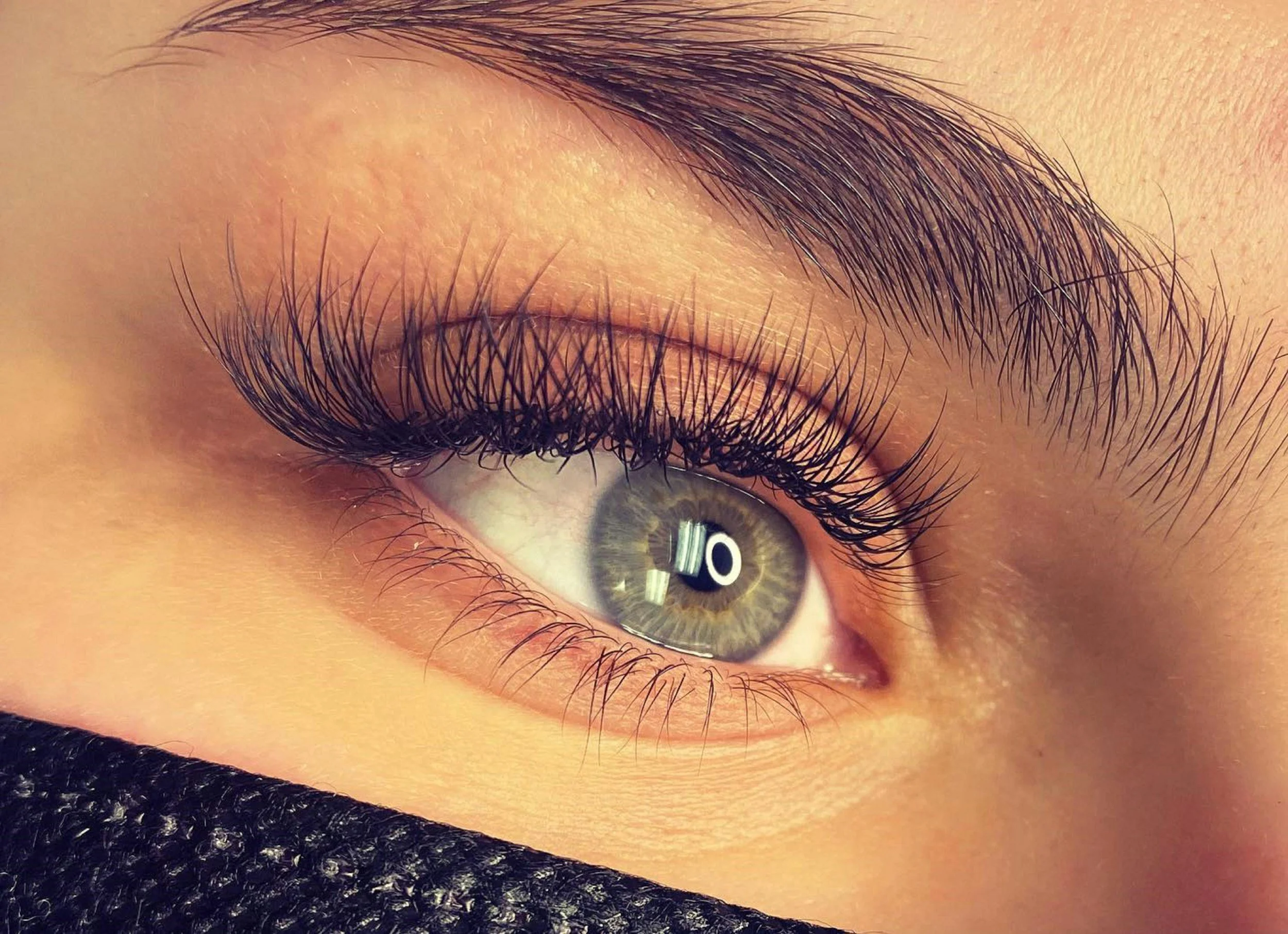
Lash Theory: Why Extensions Change Your Entire Face
Lash extensions alter how light and shadow play across your face, shifting visual weight without just adding length. Because they redefine contours, the outcome hinges on proportion - too much volume pulls focus down instead of opening up the gaze. When tailored well, they frame the eyes cleanly, enhancing natural expression through subtle lift. Yet mismatched styling often backfires: heaviness drags lids, density muffles clarity, application errors invite discomfort. Shape matters as much as curl; a sharp angle exaggerates width while soft arcs support symmetry.

Why Your Hair Gets Frizzy: The science behind humidity, damage, and why your hair suddenly stops cooperating
Water, damage, or surroundings, these shape how hair behaves, not chance. Hair strands pull apart when humidity interferes, surfaces rub too hard, or outer layers turn uneven. That separation shows up as frizz, nothing more. Each strand acts differently under stress, yet the result looks the same

What SPF Actually Does And How Most People Use It Wrong
Most people apply too little sunscreen for full protection, so SPF numbers often mislead. A higher number doesn’t mean endless time outdoors. It simply tells how long skin resists burning compared to bare exposure. Yet actual use rarely matches lab conditions where these values are measured.

What Perfume Actually Does to Your Body and Why Some Scents Last Longer Than Others
Some people notice their perfume shifts hours after applying - this happens because tiny molecules escape into air right away. One person's skin might warm the liquid, speeding up evaporation while another sees slower change due to oil levels. Reactions happen quietly between ingredients and moisture on arms or necks. Time alters everything - not just strength but also which notes stand out most. What begins sharp can turn soft once base layers wake up through movement and heat.

What Acrylic Nails Actually Are: The science, the benefits, the risks, and what they’re really doing to your nails
Most people call them fake, yet acrylic nails are actually a mix of liquid and powder forming something tough right over your own nail. Strength comes from chemistry - this hardened coat resists breaks much better than bare nails do. Still, perfection depends on skill; a clean application blends smoothly, lasting long without trouble. Mistakes though? Too much filing or poor sealing digs into the surface below, wearing it down slowly each time.
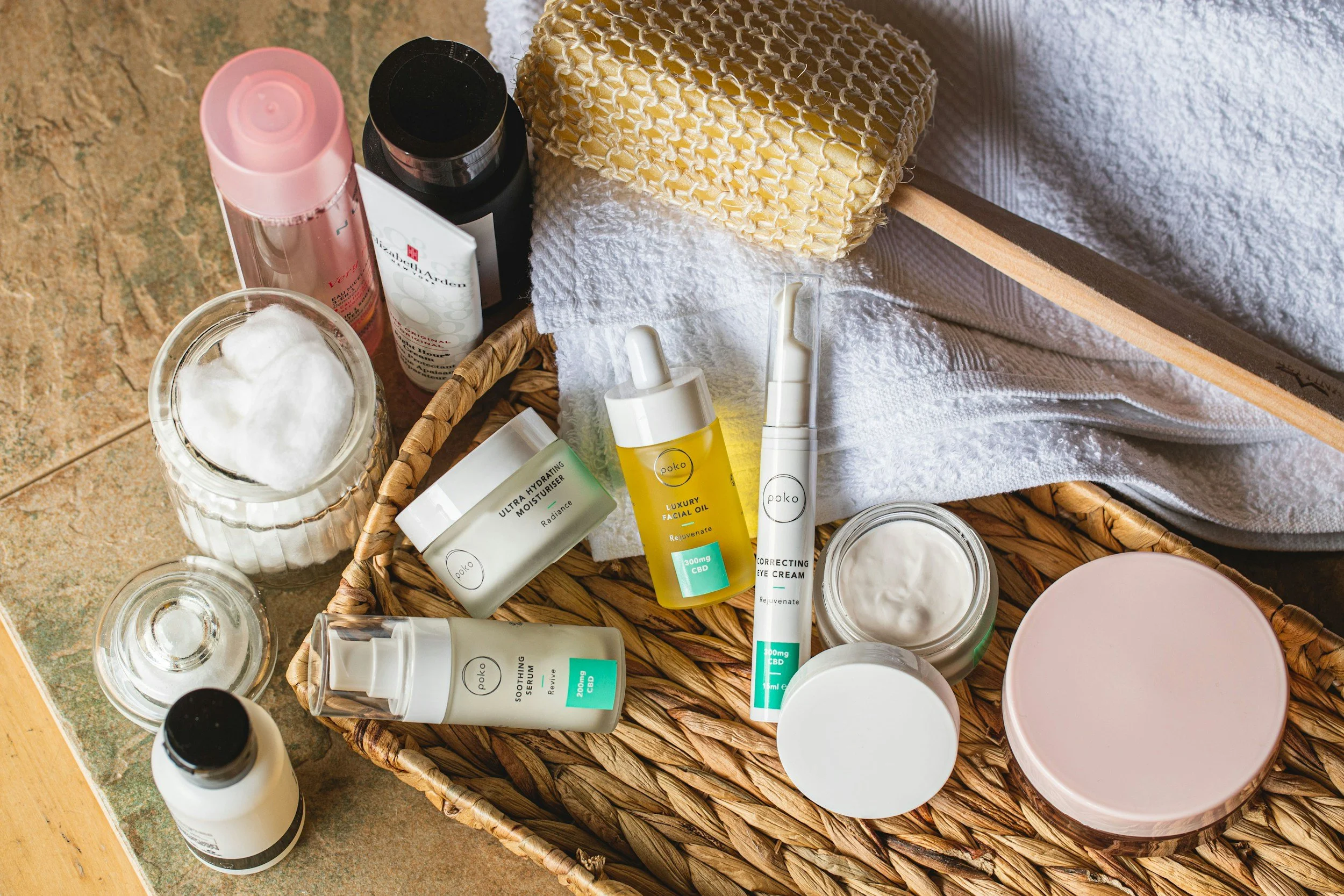
Why Your Skin Gets Worse When You Try Too Many Products
When your face acts up right after adding extra steps, blame might lie there. Too many items in rotation often stress out the protective layer, triggering redness or spots. The real issue may not be the formula at hand - rather, the amount piled on.
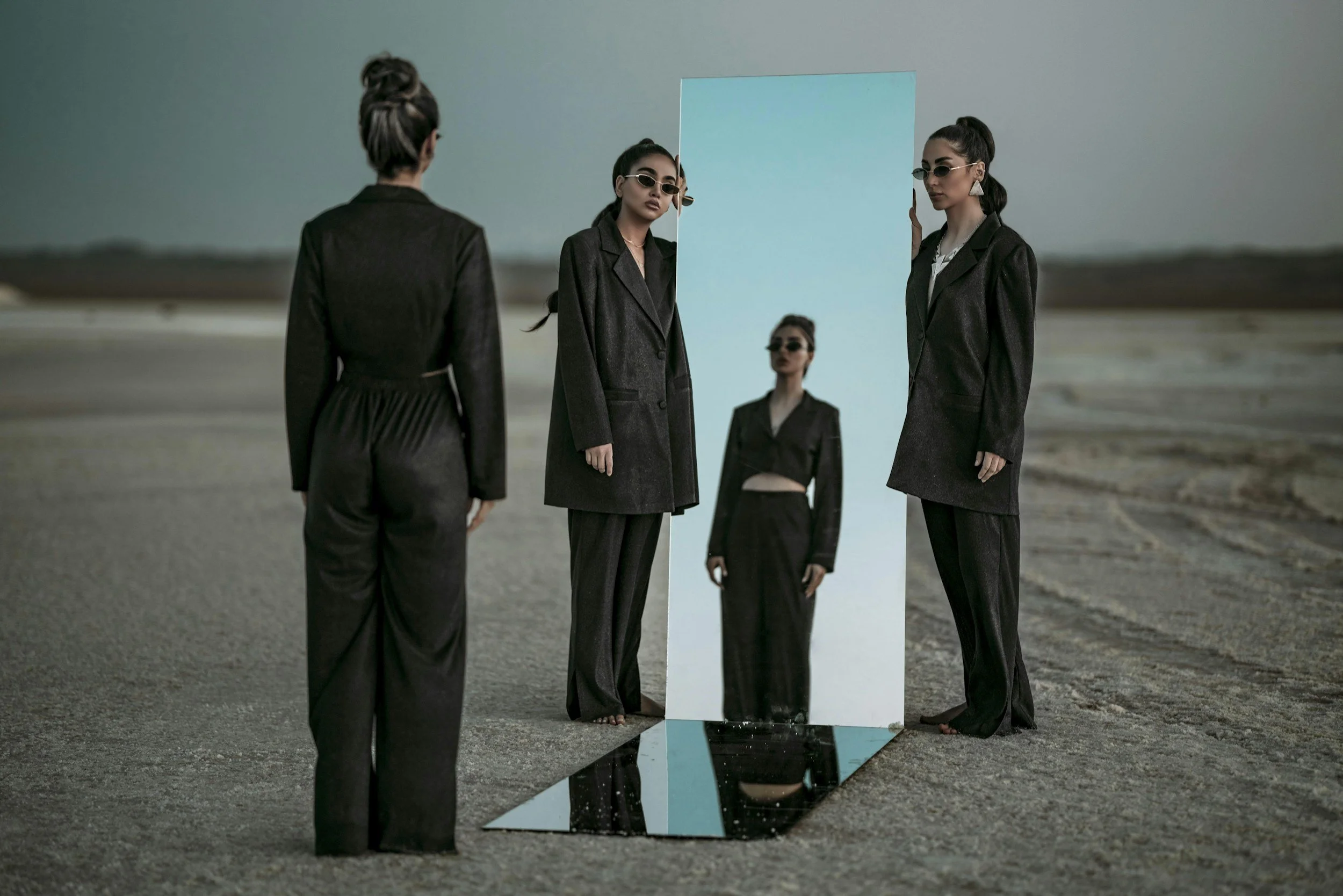
Why You Look Hotter When You’re Not Overthinking It
Some mornings you seem familiar in the mirror yet feel entirely off. On one day, your presence clicks into place. The following morning, despite identical appearance, things appear wrong without reason. This variation follows a pattern. Posture shifts with self-assurance. Facial muscles respond to inner state. Motion becomes fluid or stiff depending on mindset. Others’ perception of your face changes along with it. Seeing the mechanics behind this makes the swings clearer. Reality includes these invisible forces.
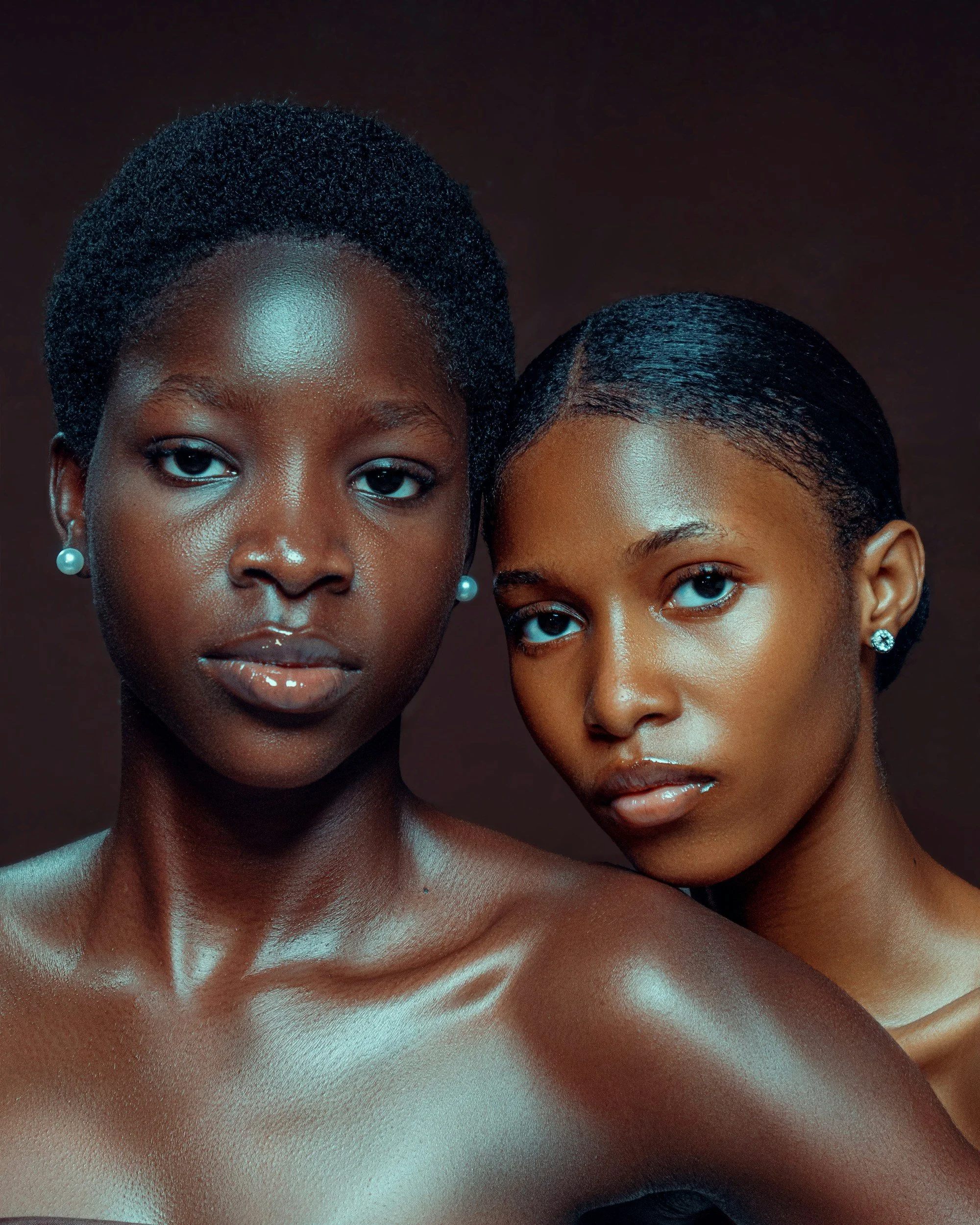
How to Actually Get That Glossy Body Skin Look
Shine without smoothness misses the goal entirely. Achieving luminosity means addressing roughness, moisture levels, or redness before anything else. What lies beneath separates dull slickness from refined radiance. Appearance shifts when inner balance improves.

How to Actually Figure Out Your Hair Type (And Why You’ve Been Getting It Wrong) (Copy)
Truth is, labels like straight or curly barely scratch the surface. When nothing in your cabinet performs as promised, the real culprits often hide beneath - porosity playing gatekeeper, density shaping volume, each strand’s width tipping the scale. See those pieces click into place, suddenly every step you take feels less guesswork. What seemed broken wasn’t faulty - it just needed context.
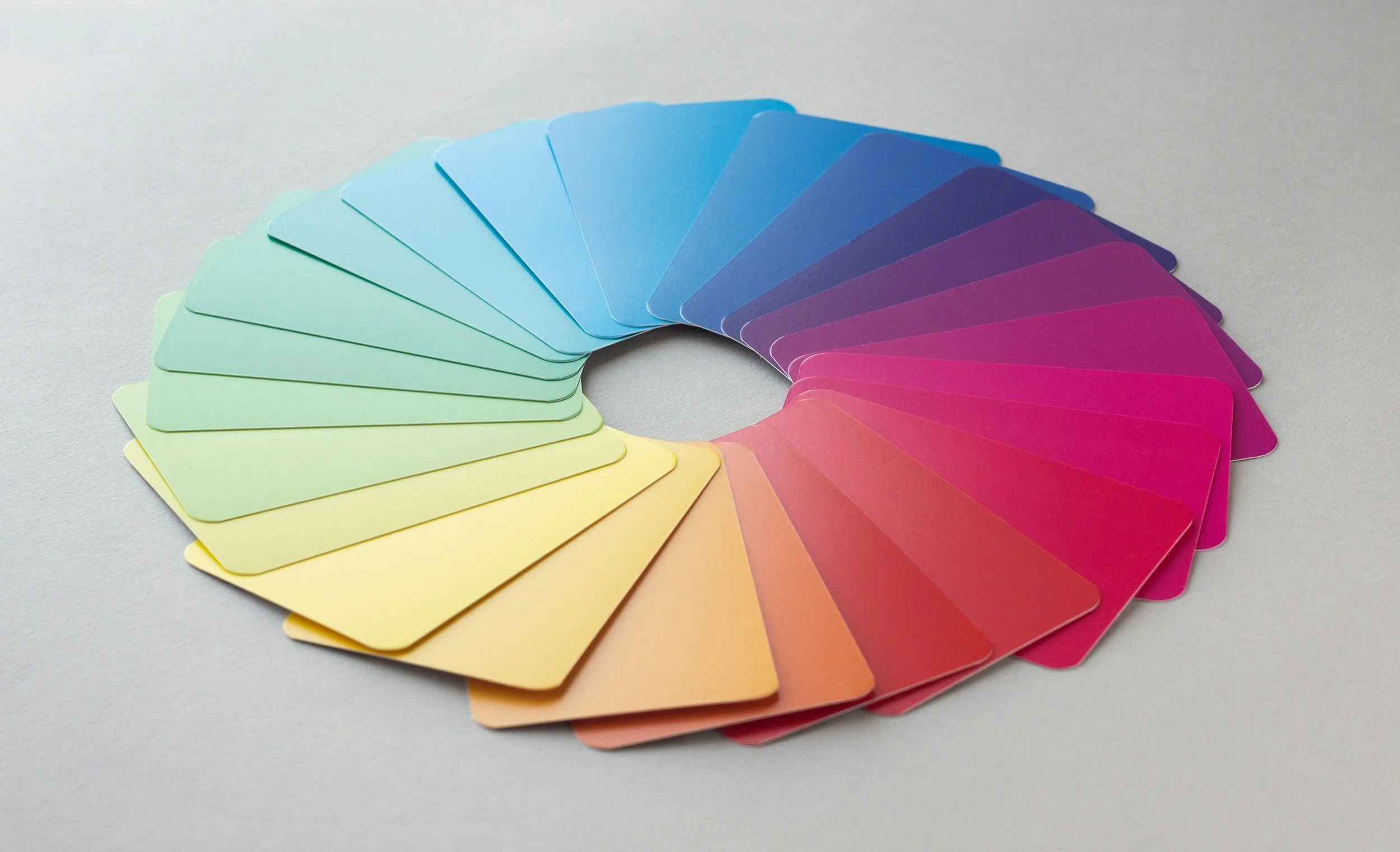
How to Find What Colors Look Good On You
Something might be popular doesn’t mean it suits you. Skin has a hidden warmth or coolness others overlook. A shade either sinks into your features or lifts them - depends on depth more than taste. Contrast between hair, skin, eyes shifts how tones appear close up. Right choices follow biology, not magazines.
Understanding your coloring changes how you pick clothes, makeup, and hair dye - no more random choices. This clarity makes daily routines smoother, decisions clearer. Color stops clashing when it aligns with your natural tones. Getting dressed feels less like luck. Makeup applies with better results. Knowing what suits you brings steadiness to appearance choices. It shifts trial-and-error into something grounded. Decisions gain direction once color logic clicks. Personal style strengthens without effort. The right shades highlight rather than hide. Confidence grows quietly through consistency.

How to Choose Products Without Wasting Money
It isn’t merely that Confusion lines pockets in the beauty world. When choices blur, purchases rise - yet usefulness drops. Bought items that sat pretty but did nothing? That emptiness has a cause. Followed routines exactly, still saw zero change? Meaning hides behind noise, not effort. Most spending answers a problem someone invented.skin develops spots, loses moisture, or shows sensitivity. Beneath each noticeable shift, be it blemishes, flushing, discomfort, or lackluster texture, lie underlying biological mechanisms at work. A sign that seems straightforward may actually stem from immune activity, cell renewal cycles, compromised protection layers, alongside molecular communication unfolding silently. Viewing these signs as outputs of deeper interactions shifts perception: patterns emerge where chaos once seemed to rule.
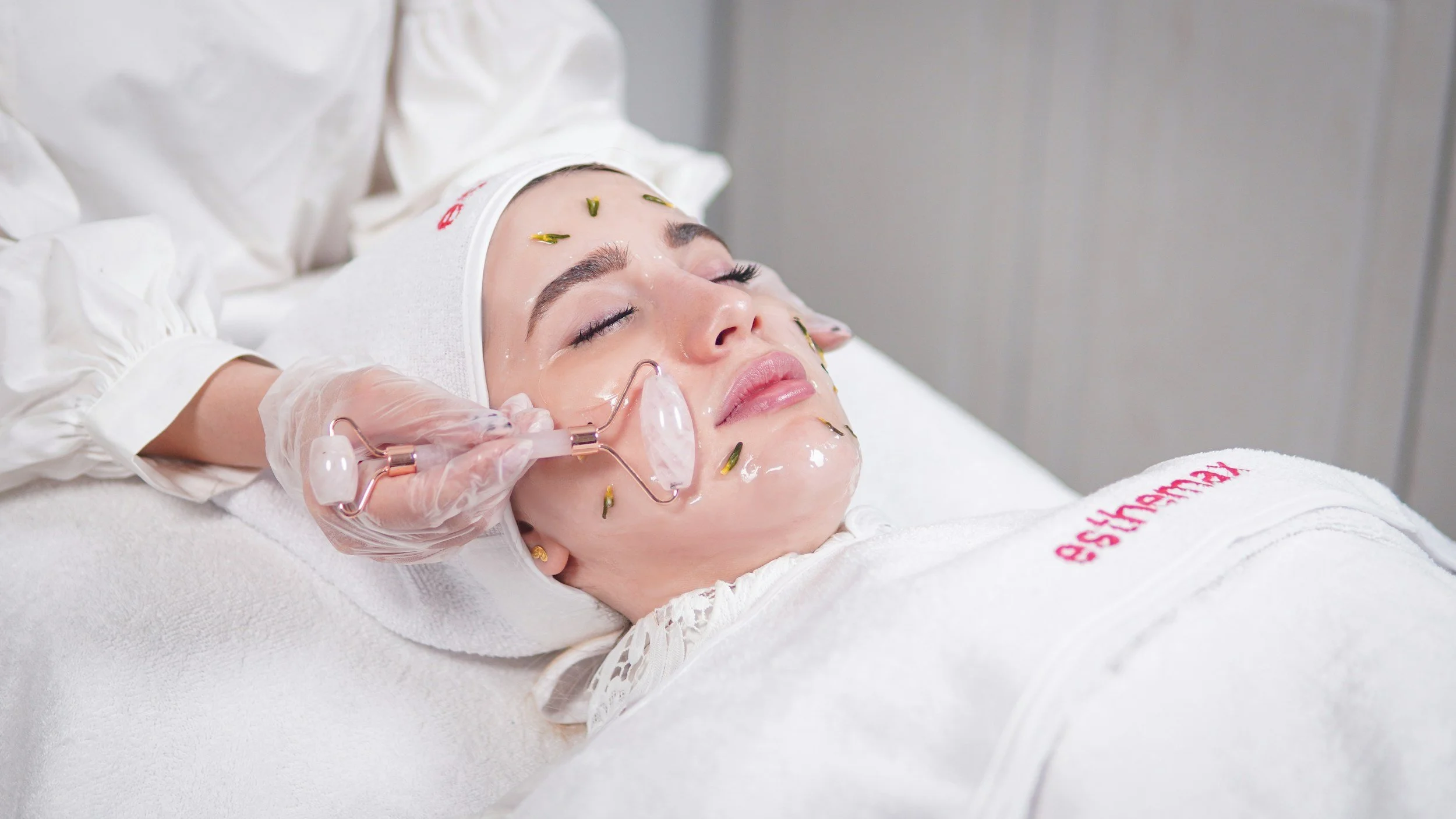
Why Skin Reacts the Way it Does
It isn’t merely that skin develops spots, loses moisture, or shows sensitivity. Beneath each noticeable shift, be it blemishes, flushing, discomfort, or lackluster texture, lie underlying biological mechanisms at work. A sign that seems straightforward may actually stem from immune activity, cell renewal cycles, compromised protection layers, alongside molecular communication unfolding silently. Viewing these signs as outputs of deeper interactions shifts perception: patterns emerge where chaos once seemed to rule.
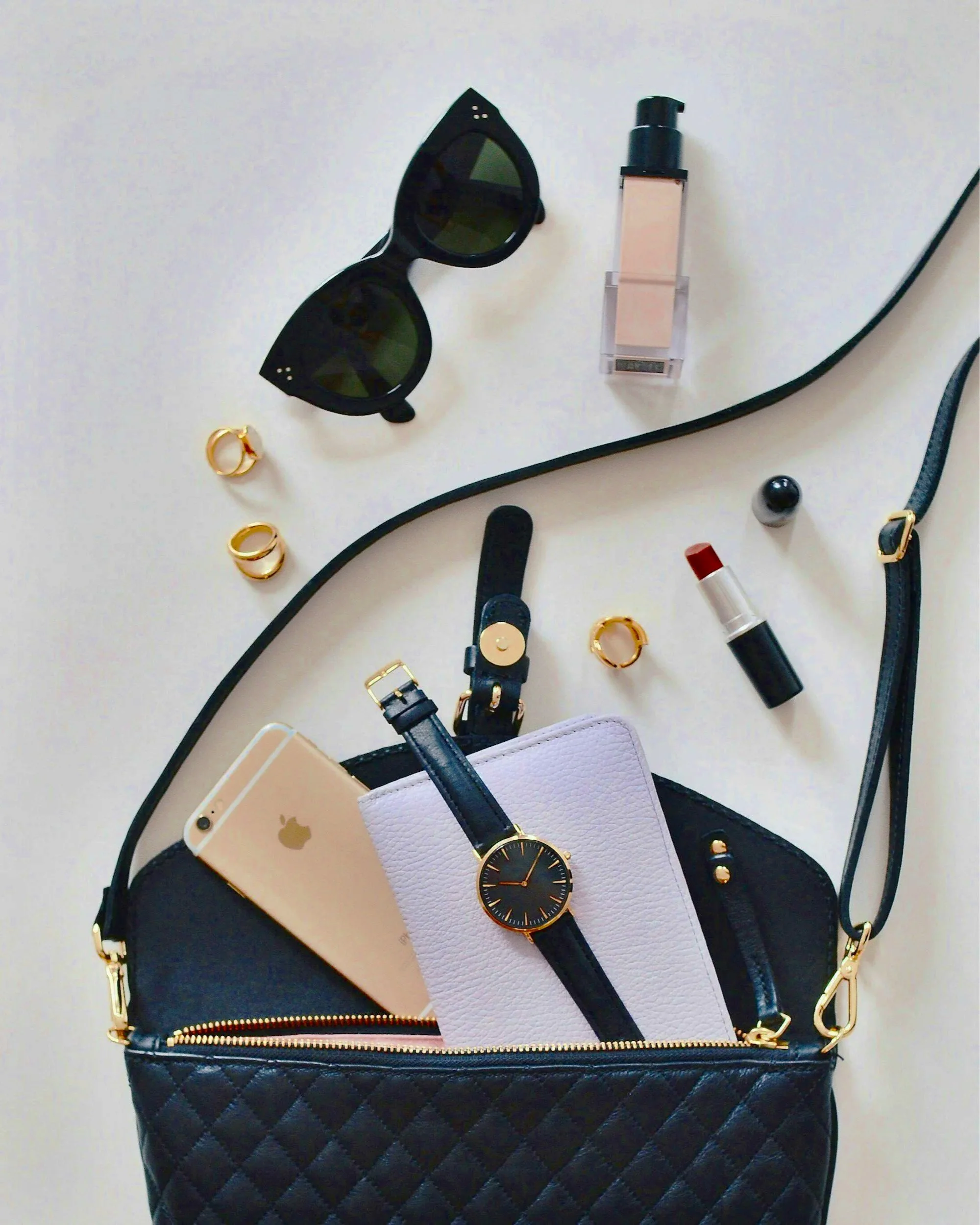
You’re Not Imagining It: What You Wear Actually Changes How You Look
One might look just like another, sharing every facial detail, identical build - yet strike observers in entirely separate ways. A pair could mirror each other physically, down to the smallest trait, but leave distinct impressions. Though two share bone structure, eye shape, posture, their presence diverges sharply. Even with matching appearances, reactions shift unpredictably between them. Identical frames do not guarantee identical responses from those who see them.
The gap does not necessarily lie in looks. Often, it is simply what someone wears.
A choice of clothing does more than cover skin. Shifting perception begins with silhouette adjustments that alter proportion signals. Body presence transforms through fabric choices, silently shaping assumptions. First judgments arrive long before words are spoken.
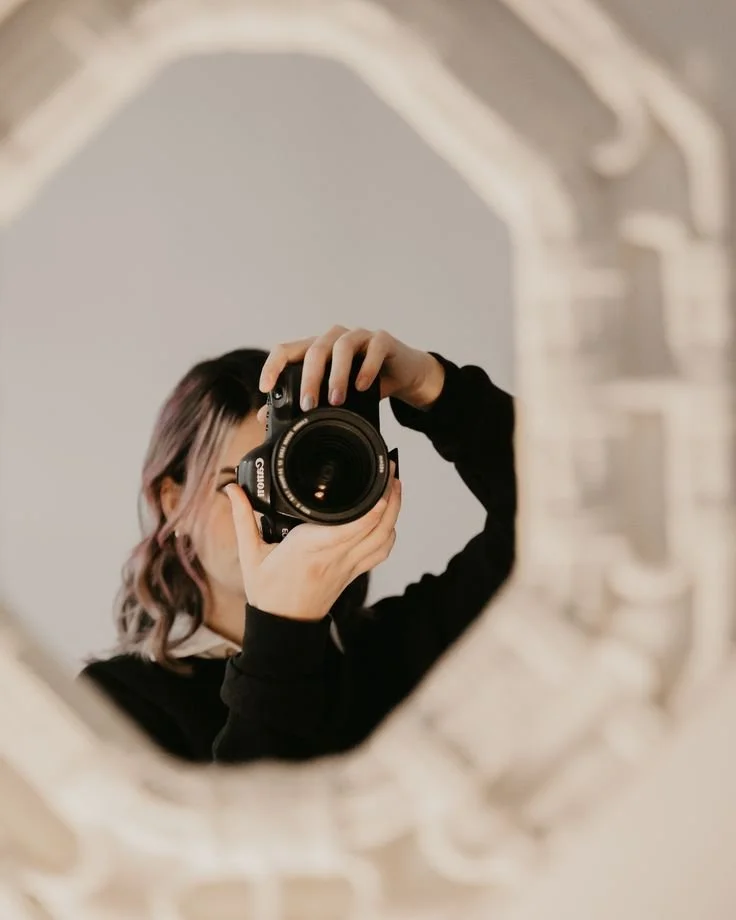
Why You Hate Photos of Yourself (But Look Fine in the Mirror)
Faces often appear different when caught by a camera. A glance in the mirror brings comfort, yet a snapshot can surprise. Photos might stretch proportions without warning. One moment everything feels balanced, the next - distorted. Light shifts, angles lie, reality bends slightly. What you know as familiar now seems altered. Distance plays tricks eyes do not notice. The lens sees things mirrors hide.
Strange, right? That odd feeling when a photo just doesn’t match how you remember looking. Most people have noticed it once or twice. Yet it’s not about appearing less attractive all of sudden. The real cause sits deeper - cameras capture images differently than mirrors reflect them. Then there is your mind, always adjusting, always filling gaps without telling you. What you believe you see versus what gets recorded - that gap shapes everything.